
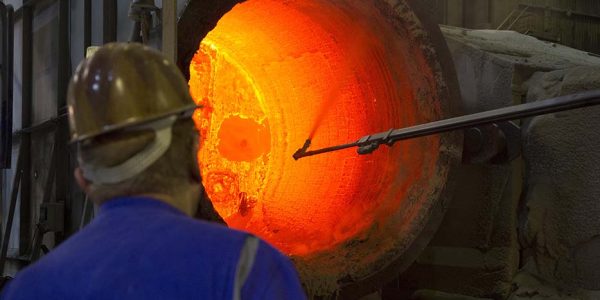
Why Similar Refractories Perform Differently
Hi everyone, I’m Morgan. I have been working in the refractory industry for nearly 20 years. During these years, I have visited steel plants, discussed solutions with engineers, followed project applications, and seen many refractory materials go through real operating conditions. One thing I have learned is this: Technical data is important. But it is not the whole story. I still remember one project several years ago. A customer was comparing two refractory products from different suppliers. The chemical composition was almost the same. The test results were also very close. From the technical documents, it was difficult to see a big difference. But after the materials were put into operation, the results were not the same. One product showed better service life. The other needed earlier maintenance. This kind of situation is actually quite common in our industry. So why does this happen? Because refractory performance is not decided only by laboratory testing. The real working environment inside a steel plant is much more complicated. A refractory lining needs to face: High temperature fluctuations Slag and steel corrosion Mechanical impact Different operating practices A product that performs well in one plant may not always achieve the same result in another plant. The furnace is always the final test. Over the years, when customers ask me: “Which refractory product is the best?” I usually think about the question carefully. Because there is not always one simple answer. Custom Solution Consultation Which refractory solution is the right fit for this specific operation? The answer depends on many factors: Steel grade Furnace design Production rhythm Operating conditions Maintenance experience This is why communication between steel plants and refractory suppliers matters so much. Another change I have noticed in recent years is that steel plants are paying more attention to total value. Of course, price is still important. But more customers are looking beyond the purchase price. They are asking: Can this material reduce downtime? Can it improve campaign life? Can it make production more stable? Sometimes, a lower-priced material does not mean a lower overall cost. A failed refractory repair can create much bigger losses than the original material cost. Custom Solution Consultation My Perspective After nearly 20 years in this industry, I believe one thing more and more: Refractories are not just consumable materials. They are part of the steelmaking process. A good refractory solution is not created only in a laboratory. It comes from understanding the customer’s equipment, operating conditions, and actual challenges. The future competition will not only be about who offers the lowest price. It will be about who can better understand steel plants and help them achieve safer, more stable, and more efficient production. I would also like to hear from industry colleagues: Have you experienced situations where two refractory products had similar technical data but completely different performance in operation? What do you think was the main reason behind the difference? Contact Us Related Posts More Blog