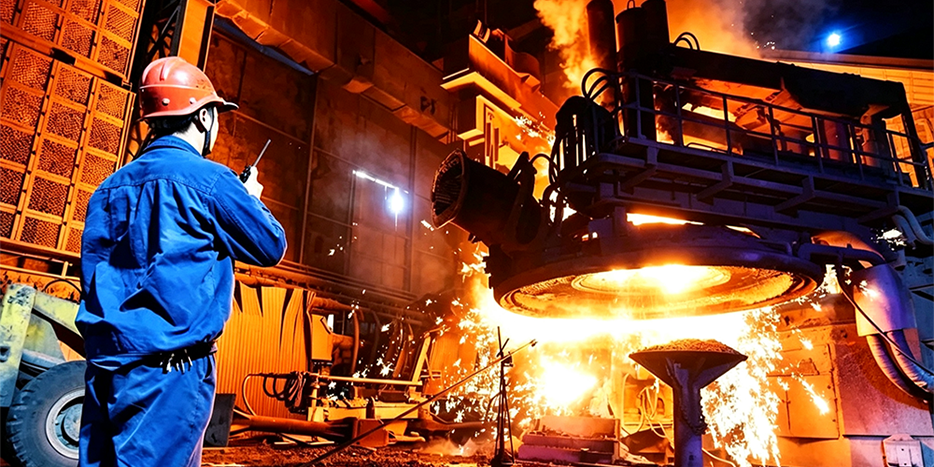
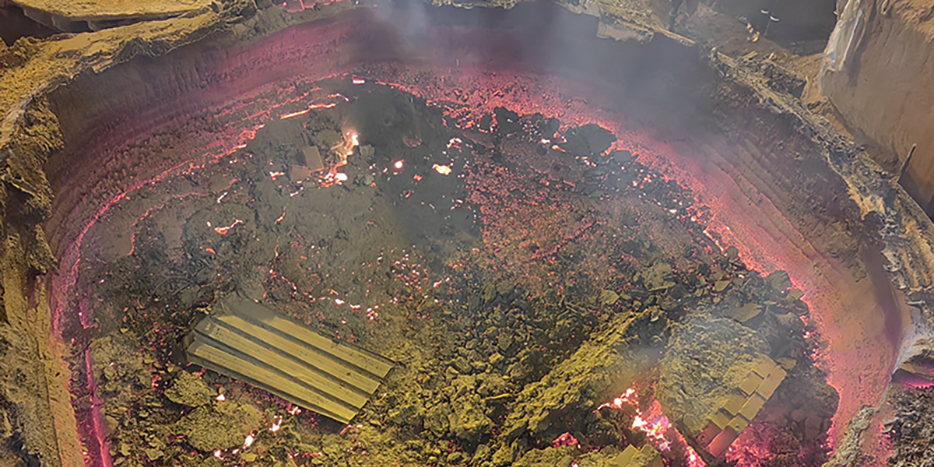
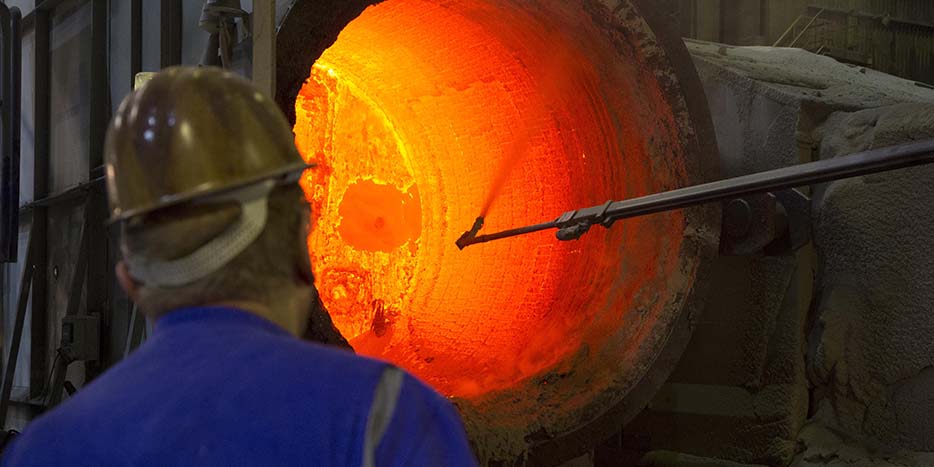
One of the most frustrating situations in refractory work is this:
The material is new.
Installation is finished.
Everything looks fine at the beginning.
And then problems start showing up almost immediately.
Wear appears too early.
Cracks begin to form.
Some areas already look abnormal after a short time in service.
When this happens, the first reaction is usually:
“Something must be wrong with the material.”
But after seeing this kind of situation more than once, I’ve learned that early refractory failure is often more complicated than that.
The First Few Days Put the Material Under a Lot of Stress
New refractory materials go through their hardest adjustment period at the very beginning.
Temperature changes are fresh.
The lining is still stabilizing.
Different areas expand at different speeds.
If conditions change too quickly during this stage, the material can take a lot of stress before it has fully settled into operation.
And once that early damage starts, it tends to grow faster later.
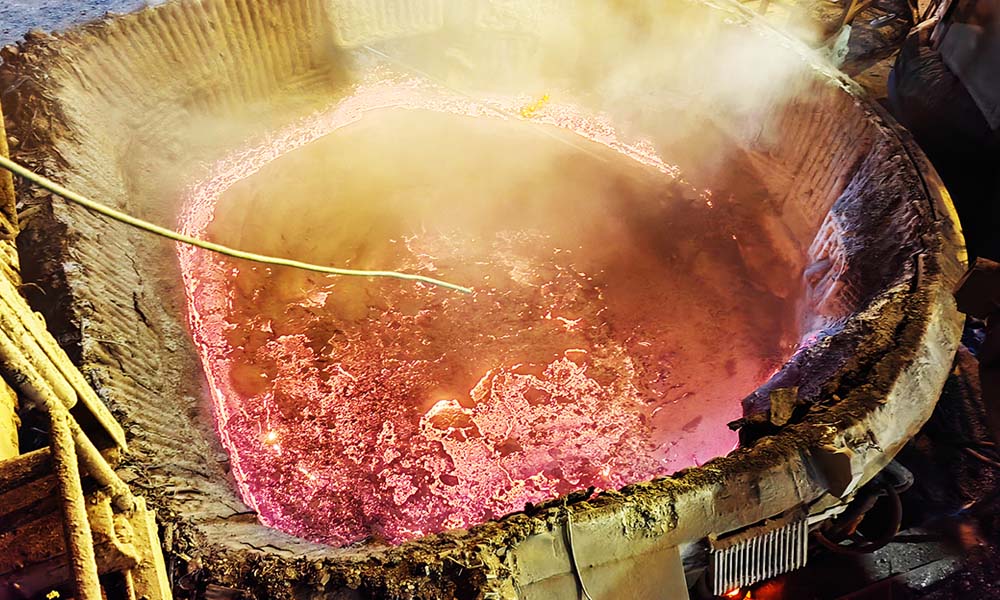
Start-Up Conditions Are Rarely as Stable as Planned
On paper, start-up procedures usually look controlled and organized.
Real operation is different.
Schedules change.
Production pressure increases.
Heating speed gets adjusted.
People try to save time where they can.
None of this necessarily comes from bad intentions.
Most of the time, it happens because operation has to move forward.
But refractory materials are very sensitive during start-up.
Small changes at this stage can have a much bigger impact than people expect.
Early Problems Often Start in Specific Areas
When refractory failure happens shortly after start-up, it’s usually not everywhere.
Certain areas begin changing first:
- corners
- joints
- high-contact zones
- places where temperature changes faster
That uneven behavior is important.
It often shows that the lining is not experiencing the same conditions across the whole structure.
Once Early Damage Appears, Wear Usually Accelerates
One thing I’ve noticed is that early refractory damage rarely stays small.
A tiny crack may not look serious at first.
A slightly worn area may still seem acceptable.
But once the lining loses stability in one section, surrounding areas often begin carrying more stress too.
That’s why problems that begin early tend to spread faster later on.
Not Every Early Failure Means the Material Was Wrong
It’s easy to blame the refractory material when problems appear soon after start-up.
Sometimes the material really is unsuitable.
But not always.
In many cases, the material simply entered service under conditions that were harsher than expected:
- heating was too aggressive
- temperature changes were uneven
- operation became unstable too early
The material responds to those conditions whether anyone notices them or not.
My View After Seeing Early Refractory Failures
Over time, I’ve stopped treating start-up as just the “beginning” of operation.
In many ways, it’s the stage that decides how the refractory lining will behave later.
If the material gets through that period in a stable way, performance is usually much more predictable afterward.
But if damage begins early, even small damage, the lining often never fully recovers from it.
That’s why I think the first days after start-up deserve much more attention than they usually get.
A lot of refractory problems don’t actually begin months later.
They begin right there at the start.
Contact Us
Related Posts