Common Defects and Solutions for Magnesia Carbon Bricks

Common Defects and Solutions for Magnesia Carbon Bricks

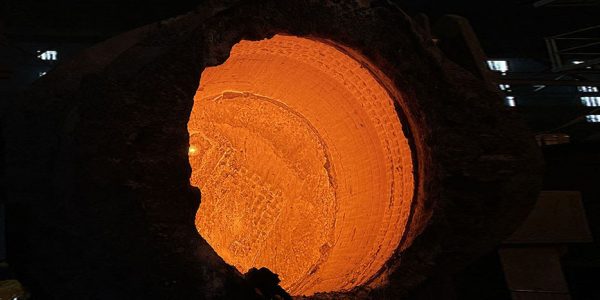
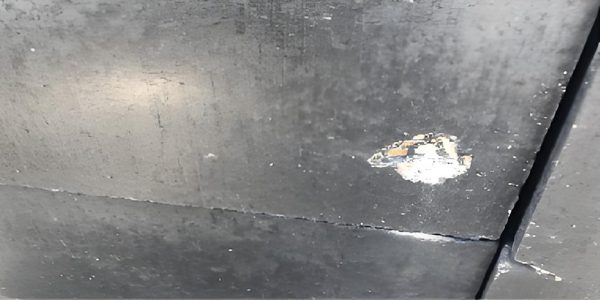
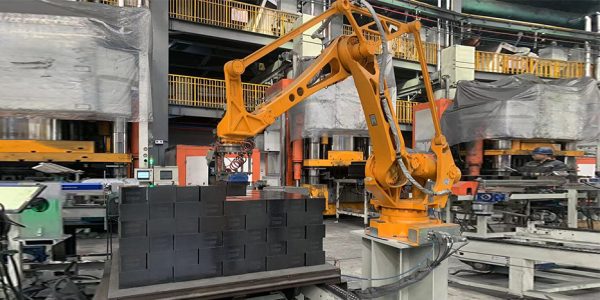
In the production and use of magnesia carbon bricks (also known as MgO-C bricks or magnesia carbon refractory bricks), any defects can directly affect the performance and lifespan of the furnace lining and, consequently, impact the overall stability and efficiency of the production process. As a steel plant or procurement specialist, you expect every brick to meet the highest standards to reduce maintenance and replacement costs. Understanding the causes of these defects and our corresponding remedial measures is essential to ensuring smooth production. 1. Chipped Edges and Corners Cause:  Defective molds or improper handling by workers.Solution:  We utilize high-precision molds and regularly inspect them for wear to ensure that every brick’s dimensions and appearance meet the required standards. All production operations are carried out by thoroughly trained personnel following strict procedures. After demolding, we perform a comprehensive surface inspection to confirm that there are no chipped edges or corners.Customer Benefits:  By using high-precision molds and enforcing rigorous operational standards, your furnace lining installation remains uncompromised by brick defects, thereby reducing the risk of equipment damage. 2. Pitted Surfaces Cause:  An excessively dry raw mix or an improper particle ratio.Solution:  We have optimized our mixing process to ensure that the raw mix’s moisture content and particle distribution are scientifically balanced. Every batch of raw materials is rigorously tested to guarantee that the surface smoothness of the brick is maintained.Customer Benefits:  A smooth, even surface simplifies the installation of the furnace lining and minimizes the risk of cracking in high-temperature conditions due to pitted surfaces. Get Free Quote 3. Blistering Cause:  Excessive calcium content, the presence of waste materials, or improper oil brushing.Solution:  We strictly control the calcium content in our raw materials and completely eliminate the inclusion of waste. Our oil brushing process is standardized to ensure an even coating, effectively preventing blistering.Customer Benefits:  Through precise control of both calcium content and the oil brushing process, we ensure the surface stability of our refractory materials, thus avoiding blistering that could lead to furnace lining damage and extending equipment lifespan. 4. Uneven Surface or Irregular Patterns Cause:  Inherent mold defects or issues arising during the processing stage.Solution:  We perform thorough inspections and regular calibrations of our molds to identify and address any inherent defects. Additionally, we continuously optimize our processing methods and enforce strict quality control measures to minimize surface inconsistencies. Each brick undergoes comprehensive surface inspections to ensure it meets our high-quality finish standards.Customer Benefits:  A smooth, uniform surface enhances furnace lining installation and performance by reducing the risk of damage caused by surface irregularities, ultimately extending the service life of your equipment. 5. Flashing Cause:Flashing refers to the occurrence of uneven layers on the brick surface, characterized by burrs or protrusions that extend beyond the intended surface. This defect typically arises from inherent mold deficiencies or issues during the pressing process.Solution:We conduct rigorous inspections of our molds and continuously optimize our processing techniques to prevent flashing. Our quality control procedures include thorough surface inspections to ensure that each brick maintains a uniform finish, free of any excess material or irregular protrusions.Customer Benefits:A flash-free surface enhances the integrity of furnace lining installations by eliminating irregularities that could compromise assembly. This leads to a more reliable and durable refractory lining, reducing the risk of equipment malfunctions and extending the service life of your systems. Get Free Quote Choose ZTM for Comprehensive Refractory Materials Solutions We understand that stable production efficiency and a reliable supply of refractory materials are crucial for steel manufacturing. Through strict production control and quality monitoring, we ensure that every magnesia carbon refractory brick (MgO-C brick) meets the highest quality standards, thereby minimizing production interruptions and additional costs associated with defects. Our aim is not only to provide premium refractory bricks but also to offer end-to-end, customized solutions for steel plants. From the initial design and material selection to construction and post-installation technical support, our technical team tailors the best solution based on each steel plant’s specific needs. We oversee every step to ensure that each measure aligns with your requirements, optimizing the production process, improving operational stability, reducing operating costs, and extending equipment service life. If you would like to learn more about our customized solutions for magnesia carbon bricks or discuss ways to enhance production efficiency, please feel free to contact us. We are here to provide the most suitable solution for your needs. Contact Us Related Posts More Blog

Mgo-C Brick (Magnesia Carbon Brick)

Mgo Carbon Brick (Magnesia Carbon Brick) Solutions for Steel Mills

In the metallurgy industry, especially in steel production, the quality of refractory linings directly impacts production efficiency and equipment lifespan. MgO Carbon Bricks (Magnesia Carbon Bricks) are high-performance refractory materials widely used in the linings of converters, electric furnaces, and steel ladles, including the bottom, walls, and slag line areas. Choosing the right Magnesia Carbon Bricks can significantly enhance the lining’s high-temperature resistance, slag corrosion resistance, and reduce production downtime, lowering long-term maintenance costs. This article will detail the unique advantages of Magnesia Carbon Bricks and showcase the significant benefits based on data comparisons. 1. Common Challenges and Our Solutions As a professional procurement officer for refractory materials, you may face the following challenges: Inconsistent Quality: Unstable quality can lead to premature lining failure, increasing downtime costs. Difficulty in Custom Sizing: Special equipment requirements may not be met, affecting production progress. Unstable Supply: Supply chain instability could lead to production delays. Our Solutions: Strict Quality Control and Stable Supply: We provide comprehensive testing for each batch to ensure stable, high-quality products. Flexible Customization: Custom sizes and performance tailored to meet specific equipment needs. On-time Delivery: With strong production capacity and a stable supply chain, we ensure your production is not impacted by delays. 2. Furnace Cycle Comparison and Significant Customer Benefits In actual applications, our MgO Carbon Brick (Magnesia Carbon Brick) outperform other brands significantly in terms of furnace cycles and operational stability. The furnace cycles of our electric furnace bricks and steel ladle bricks exhibit superior performance when compared to competitors. Electric Furnace Bricks: Our electric furnace bricks typically last 50 to 100 more furnace cycles than competitor products. This extended performance reduces the frequency of brick replacements and downtime, thereby improving production efficiency. Steel Ladle Bricks: Similarly, our steel ladle bricks offer an additional 20 furnace cycles compared to competitive products, significantly extending the service life of the equipment and reducing maintenance downtime. Key Benefits: Extended Service Life: Our Mgo Carbon Brick (Magnesia Carbon Brick) significantly increase the furnace lining’s service life, reducing replacement frequency, downtime, and production interruptions. Cost Savings: Longer service life reduces costs for brick replacements, maintenance, and downtime, delivering significant savings to customers. Stable High Performance: Our products show better furnace cycles and greater stability than competitors, allowing customers to achieve more extended periods of efficient production and improving overall equipment efficiency. Currently, this steel plant has completely transitioned to using our company’s products, demonstrating their high recognition of our product’s performance. 3. Technical Performance and Core Advantages of MgO Carbon Bricks Our Mgo Carbon Brick (Magnesia Carbon Brick) offer industry-leading technical performance, capable of withstanding the harsh conditions of metallurgical production. The core advantages include: High Temperature Resistance: Magnesia Carbon Bricks can operate stably in environments exceeding 1650°C, ensuring durability at high temperatures. Slag Resistance: Their strong slag corrosion resistance effectively protects the furnace lining from steel and slag erosion, extending the lining’s service life. Thermal Shock Resistance: Magnesia Carbon Bricks effectively resist cracks and damage caused by rapid temperature changes, ensuring long-term stable operation. 4. Application Scenarios of MgO-C Bricks Magnesia Carbon Bricks are widely used in the metallurgy industry, especially in high-temperature and high-load environments. Our products are commonly applied in the following key areas: Converter Linings: Provide excellent high-temperature and slag resistance, significantly extending the life of converters. Electric Furnace Linings: Withstand the high temperatures, pressures, and chemical corrosion inside electric furnaces, ensuring stable operation. Steel Ladle Bottom and Walls: Effectively resist the erosion of steel and slag, prolonging the service life of the ladle and reducing lining replacement frequency. 5. Take Action Now to Optimize Your Production Line By choosing our MgO Carbon Bricks (Magnesia Carbon Bricks), you can not only improve production efficiency and extend the equipment’s service life but also significantly reduce maintenance and replacement costs. We offer customized Magnesia Carbon Brick solutions to optimize your production line and enhance overall production efficiency. Contact us now to learn how we can tailor our products to meet your needs and receive free technical support and a personalized quote. Contact Us Related Posts More Blog

Refractory Castables

Refractory Castables for Steelmaking: Innovative Solutions for High-Temperature Equipment

Why Your Equipment Needs Refractory Castables In high-temperature industrial equipment such as steelmaking furnaces, electric arc furnaces, and converters, reducing maintenance frequency, improving operational efficiency, and extending service life are key concerns for every procurement professional. However, many facilities face frequent downtime, increased energy consumption, and even safety risks due to inadequate lining materials. To address these challenges, refractory castables have emerged as an efficient, flexible, and reliable material, making them an ideal choice for optimizing equipment performance. Core Features and Customer Benefits of Refractory Castables Refractory castables are unshaped refractory materials with excellent flowability, composed of refractory aggregates, binders, and other additives. Compared to traditional bricks or prefabricated components, they offer the following outstanding features and benefits: Efficient Installation Castables can be applied through casting or vibration techniques, enabling quick coverage of complex equipment components, significantly reducing installation time and minimizing construction difficulty. Exceptional Adaptability They can seamlessly fill narrow spaces and irregular shapes that traditional bricks cannot cover, ensuring structural integrity and a seamless connection for the lining. Energy Efficiency With excellent thermal insulation properties, castables significantly reduce heat loss, lower energy consumption, and support green production goals. Long-Lasting Durability Resistant to high-temperature shocks and chemical corrosion, they effectively extend equipment service life while minimizing maintenance downtime and costs. Al2O3-SiC Castable lron Runner Castable Key Applications Efficient Installation Castables can be applied through casting or vibration techniques, enabling quick coverage of complex equipment components, significantly reducing installation time and minimizing construction difficulty. Exceptional Adaptability They can seamlessly fill narrow spaces and irregular shapes that traditional bricks cannot cover, ensuring structural integrity and a seamless connection for the lining. Energy Efficiency With excellent thermal insulation properties, castables significantly reduce heat loss, lower energy consumption, and support green production goals. Long-Lasting Durability Resistant to high-temperature shocks and chemical corrosion, they effectively extend equipment service life while minimizing maintenance downtime and costs. Why Choose Refractory Castables? For high-temperature industries such as metallurgy, power, and chemicals, refractory castables not only deliver exceptional performance but also provide significant benefits: Cost Reduction: Lower maintenance frequency and downtime, reducing long-term operational costs. Flexible Installation: Adapt to various complex requirements without the need for expensive custom brick molds. Improved Efficiency: Shorten installation cycles and accelerate production timelines. Contact Us for Customized Solutions Our professional team can tailor refractory castable solutions to meet your specific needs, ensuring your equipment performs exceptionally even under the harshest conditions. Contact us today for more technical support and advice. Contact Us Related Posts More Blog
Refractory Materials for EAF

Refractory Material Solutions for Electric Arc Furnaces (EAF)

In the high-temperature operation of electric arc furnaces (EAF), the lining materials must withstand extreme temperature fluctuations, as well as erosion from molten steel and chemical slag. Choosing the right refractory materials not only extends the life of the furnace but also improves production efficiency. Zhongtang Materials (ZTM) offers a comprehensive range of refractory material solutions, addressing both construction and maintenance materials to help you quickly find suitable products that ensure efficient operation of electric arc furnaces (EAF) under demanding conditions. 1. Construction Refractory Materials ZTM’s construction refractory materials are specifically designed to cope with the extreme high temperatures and chemical corrosive environments of electric arc furnaces (EAF), ensuring durability and stability for the furnace body, bottom, and key components. Magnesia Bricks and Magnesia-Carbon Bricks (MgO-C bricks) ZTM provides magnesia bricks and magnesia-carbon bricks (MgO-C bricks) that play a crucial role in the furnace body, bottom, and tapping areas of electric arc furnaces (EAF). Magnesia Bricks are primarily composed of high-purity fused magnesia, exhibiting excellent high-temperature resistance and slag erosion resistance, making them particularly suitable for the bottom and body of the furnace, maintaining long-term stability. Magnesia-Carbon Bricks (MgO-C bricks), made from magnesia and flake graphite, combine outstanding thermal shock resistance and chemical erosion resistance, making them ideal for areas subjected to high-temperature molten steel impacts and extreme loads, providing additional protection for these vulnerable areas. MGO-C BRICK FOR EAF EBT Bricks and Filling Sand for EBT The tapping area of the electric arc furnace (EAF) is a critical part, and ZTM’s EBT bricks and filling sand for EBT offer comprehensive protection for this region. EBT Bricks feature excellent thermal shock resistance and wear resistance, ensuring structural stability in frequently operated high-temperature environments and extending the service life of the equipment. Filling Sand for EBT ensures the sealing of molten steel during flow, preventing leaks and ensuring safety and continuity during operations. EBT Bricks Filling Sand for EBT Bottom Ramming Mass and Precast Product The bottom and top of the electric arc furnace (EAF) also require high-strength refractory materials, and ZTM’s bottom ramming mass and precast products provide the best construction solutions for these areas. Bottom Ramming Mass is a high-density, high-erosion-resistant material specifically designed to enhance the stability of the furnace bottom and extend its service life. Furnace Roof and Precast Block for Tapping Spout provide excellent thermal shock and high-temperature resistance for the top and tapping channels of the electric arc furnace (EAF), reducing maintenance frequency and improving overall equipment efficiency. Bottom Ramming Mass Furnace Roof Precast 2. Maintenance Refractory Materials Maintenance is crucial during the daily operation of electric arc furnaces (EAF). ZTM offers gunning mass and hot repair mass that efficiently address lining damage, ensuring continuous and effective operation of the equipment. Gunning Mass: ZTM’s gunning mass has high adhesion properties and is used for online repairs in electric arc furnaces (EAF). It can quickly repair cracks and erosion in the lining caused by high temperatures and wear, reducing further damage and extending the lining’s lifespan. Hot Repair Mass: Designed for non-shutdown repair work, hot repair mass can rapidly solidify and complete repairs under high-temperature conditions. These materials not only minimize equipment downtime but also ensure continuity in production, making them an ideal choice for efficient maintenance of electric arc furnaces (EAF). Gunning Mass Hot Repair Mass 3. Our Professional Experience Zhongtang Materials (ZTM) has over 15 years of rich experience in the refractory materials industry. Our professional team understands the needs of customers in different markets and the related export policies, dedicated to providing customized solutions for each client. This ensures the performance and stability of high-temperature equipment, helping customers maintain a competitive edge in the market. 4. High-Quality Refractory Materials We are committed to producing high-quality refractory materials using advanced production processes and strict quality control procedures. Our production lines are equipped with professional quality inspectors to ensure that every batch of products meets customer expectations. Additionally, through customer feedback, we continuously improve and enhance product performance to adapt to market changes. Contact Us Related Posts More Blog

refractory brick solutions for ladles

Refractory Brick Solutions for Ladles

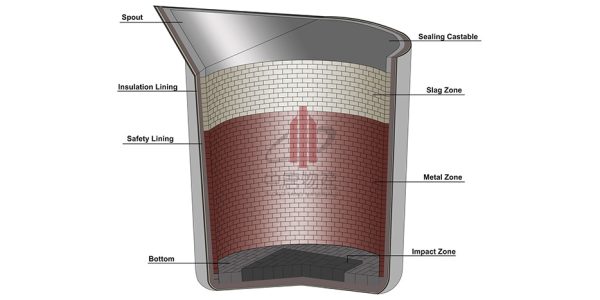
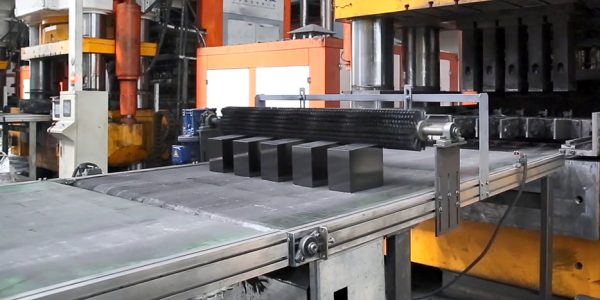
In the steel production industry, the ladle is an essential piece of equipment responsible for transporting molten metal from the steelmaking furnace to the continuous casting machine. Since the service life and stability of the ladle lining are critical, they directly affect production efficiency and longevity. Therefore, ZTM recognizes these vital needs and offers comprehensive refractory brick solutions for ladles to enhance refractory material lifespan, reduce maintenance frequency, and ensure safe ladle operations under high temperatures and pressures. 1. Key Considerations in Refractory Brick Selection During operation, ladles endure extreme temperatures and corrosive slags, which lead to wear, erosion, and cracking of the lining. Consequently, selecting the right refractory brick material is crucial for maintaining ladle performance. ZTM provides a range of refractory brick solutions for ladles, including magnesia-carbon bricks and alumina-magnesia spinel bricks. These materials are known for their exceptional slag resistance, high-temperature stability, and thermal shock resistance. Depending on the specific conditions in which your ladle operates, ZTM will recommend the most suitable material combination to ensure optimal performance. Magnesia-Carbon Bricks: Manufactured from premium fused magnesia and flake graphite, these bricks deliver superior slag resistance, corrosion resistance, and thermal shock stability, effectively protecting the ladle’s sidewalls from molten steel and slag erosion. Alumina-Magnesia Spinel Bricks: Comprising high-purity fused magnesia, tabular alumina, and flake graphite, these bricks offer excellent resistance to thermal shock, corrosion, erosion, and chemical attacks, making them ideal for high-demand processes involving complex steel compositions. MGO-C BRICK FOR LADLE AL₂O₃-MGO-C BRICK 2. Customized Refractory Brick Solutions for Ladles Given that every steel plant has unique ladle dimensions and operating conditions, ZTM offers fully customized refractory brick solutions for ladles. We tailor the brick shapes and formulations according to the specific dimensions and steel grades used by our customers to ensure optimal performance. No matter how complex your ladle design, we can adjust the brick shapes and material ratios to ensure the best performance and extended service life in practical applications. 3. Quality Control of Refractory Bricks At ZTM, we implement strict quality control throughout the production process of our ladle refractory bricks, from raw material selection, batching, forming, and sintering to final inspection. This meticulous attention to quality ensures that the bricks maintain high performance during use, significantly reducing safety risks associated with brick quality issues. MGO-C BRICK PRODUCE FACILITY INTRODUCTION 4. Strategies to Extend Ladle Service Life Not only does ZTM provide high-quality refractory bricks, but we also offer comprehensive strategies to extend the service life of ladles. By optimizing the selection and usage of refractory materials, we help customers reduce the frequency of ladle lining replacements and lower maintenance costs. Additionally, ZTM’s refractory brick products possess outstanding thermal shock stability, effectively minimizing damage caused by temperature fluctuations, reducing the occurrence of accidents, and ensuring the continuity and safety of the steel production process. As a result, this further extends the ladle’s service life. 5. Customer Support and Technical Services When you choose ZTM, you are not just purchasing refractory brick products; you are selecting a comprehensive refractory material solutions provider! We offer full support to our customers, from design, material selection, and construction to after-sales service. Our technical team, with extensive industry experience, provides tailor-made refractory brick solutions for ladles and promptly responds to customer needs. Moreover, ZTM’s after-sales service team regularly monitors the condition of ladle linings and provides necessary technical support and maintenance recommendations to ensure that customers’ ladles are always in optimal working condition. Contact Us Related Posts More Blog
Refractory Solutions with Large Crystal Fused Magnesia

Optimizing Refractory Solutions with Large Crystal Fused Magnesia

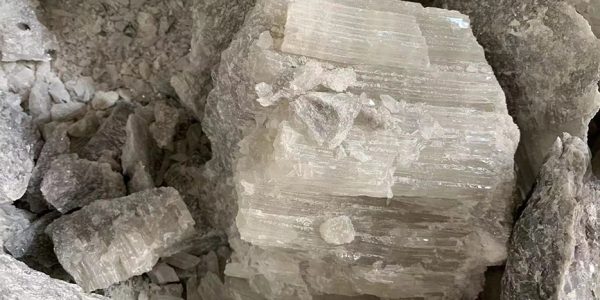
When discussing refractory raw materials, customers are most concerned about the material’s durability, stability, and applicability. High Purity Large Crystal Fused Magnesia (LCFM) meets these needs exceptionally well as a high-quality refractory material. 1. High Purity & Chemical Stability LCFM typically contains 97% to 98% magnesium oxide (MgO), maintaining good chemical stability in high-temperature and corrosive environments. Customers can confidently use high-purity LCFM in refractory applications for the steel, cement, and glass industries because it consistently demonstrates reliable chemical stability and resistance to corrosion in such conditions. High-Purity Large Crystal Fused Magnesia(LCFM) 2. Durability & Mechanical Strength The high bulk density and low porosity of LCFM allow it to withstand mechanical wear and chemical erosion while maintaining long-term stability and durability. This significantly reduces maintenance costs and downtime, thereby improving production efficiency. LCFM Exhibits Excellent Durability and Mechanical Strength 3. Thermal Conductivity & Stability Large Crystal Fused Magnesia not only has excellent thermal conductivity but also possesses superior thermal shock resistance. It effectively conducts heat in high-temperature environments and is less prone to thermal shock cracks, ensuring stable performance in steelmaking furnaces, cement kilns, and glass furnaces. 4. Slag Resistance and Corrosion Resistance LCFM exhibits a high level of resistance to slag infiltration and corrosion, particularly against alkaline slags. This makes it very suitable for linings in steel ladles and converters, ensuring long-term stability and durability in the steel industry. In summary, LCFM, as a high-quality refractory material, can meet customers’ demands for high purity, durability, thermal conductivity, and slag resistance in various refractory applications. Whether in the steel industry, cement industry, or glass industry, LCFM provides reliable support and assurance, helping customers improve production efficiency and reduce costs. Contact Us Related Posts More Blog