
Why Similar Refractory Data Doesn’t Mean Similar Performance
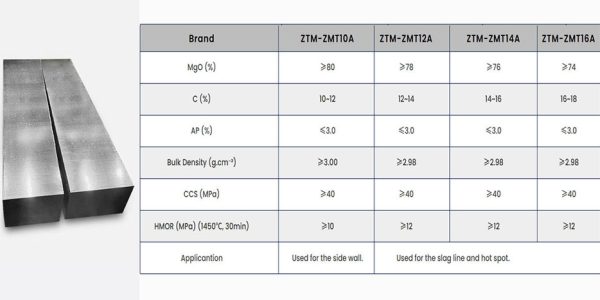
In refractory purchasing, technical data is often the first thing buyers look at.Density, strength, chemical composition — everything seems clear on paper. But in real use, many buyers notice the same problem:materials with very similar data can perform very differently. The issue is not that technical data is useless.The issue is how that data is understood and used. Which technical data really matters? In most purchasing decisions, technical data should help you screen materials, not make the final decision for you. Some data points are still important as basic references: Bulk density and apparent porosityThese give a general idea of how compact the material structure is. Cold crushing strength and bending strengthUseful for checking basic structural strength, but not a direct indicator of service life. Chemical compositionHelpful for understanding material type and grade, but it does not describe the full formulation. Selected high-temperature propertiesBetter used for trend comparison than for absolute judgment. Custom Solution Consultation Which data is often misunderstood? Some parameters look very convincing but are often over-interpreted. RefractorinessThis shows the temperature limit of the material, not how it behaves under real operating conditions. Single strength valuesHigher numbers do not always mean better performance in actual service. Lab data treated as site performanceTest conditions are controlled. Real operation is not. Ignoring test standardsThe same parameter tested under different standards is not always comparable. Custom Solution Consultation Why similar data still leads to different results? Even when data looks almost the same, performance can differ because: Raw material consistency is different Formulation design is different Process control during production is different Operating conditions are never perfectly stable These factors are difficult to fully show in a data sheet. How buyers should use technical data? A more practical approach is simple: Use data to eliminate clearly unsuitable options Use technical discussion to understand material design logic Use overall performance stability as the final reference Technical data is a tool, not the answer. Contact Us Related Posts More Blog