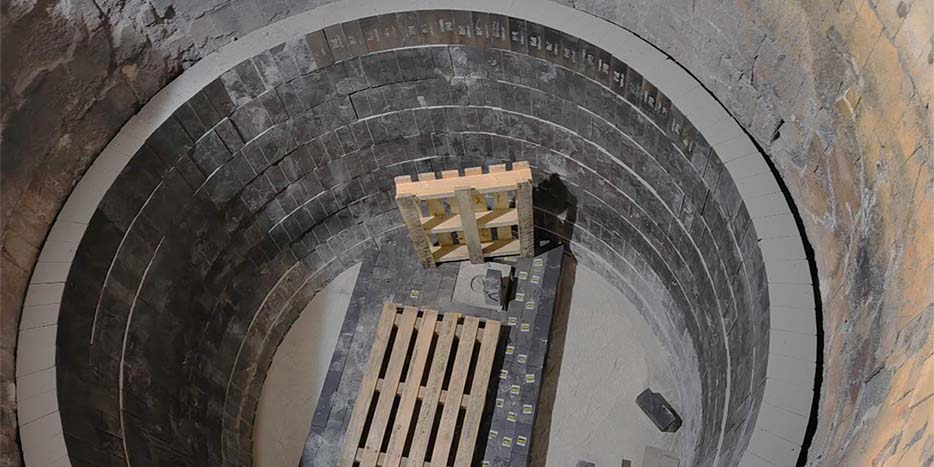
Refractory performance is critical to steelmaking stability.
Yet steel plant purchasers often face the same problem: the same grade of refractory—whether magnesia-carbon bricks, alumina-magnesia-carbon bricks, slide plates, or castables—can show completely different service life across different furnaces.
Some plants achieve long, stable campaigns, while others see early spalling, erosion, or cracking.
Why does this happen?
Differences in Raw Materials and Production Processes
Even for the same product name, the actual performance depends heavily on the quality of raw materials and process control.
1. Raw Material Quality
High-purity magnesia, stable graphite content, clean alumina, and optimized antioxidants all play decisive roles in slag corrosion resistance and thermal shock resistance. Small variations here can lead to large differences in lifespan.
2. Process Control
Pressing density, binder type, mixing uniformity, and firing/curing conditions directly influence the structural strength of the brick or castable. Inconsistent production results in inconsistent behavior in the furnace.
3. Batch Consistency
Purchasers often overlook the impact of stability. A “same grade” refractory from a less reliable supplier may vary significantly between batches, leading to unpredictable service life.
In many cases, the issue is not the product category itself, but the consistency behind it.
How to Ensure Refractories Deliver Stable, Cost-Effective Performance
Purchasers can focus on three key points to achieve predictable results:
Stability
A consistent and repeatable service life is more valuable than occasional long performance. Stable raw materials and controlled production are crucial.
Compatibility
Different furnaces and steel grades require different refractory solutions.
Slag chemistry, tapping method, repair temperature, furnace design, and operating rhythm all influence material choice.
Technical Support
A reliable supplier provides more than materials—they also analyze erosion patterns, adjust formulas based on operating behavior, and guide installation and maintenance to reduce premature failures.
Unit Price vs. Total Cost
Focusing solely on low purchase price can mislead procurement decisions.
A cheaper refractory can result in significantly higher operational costs:
Shorter service life → more frequent replacement
More maintenance → increased downtime
Lower output → hidden cost far exceeding the price difference
For example, if a lining or critical brick lasts even five more heats, the increased steel output often outweighs the extra material cost.
From the perspective of total cost, higher-stability materials are usually the most economical option.
My Insight
Service life differences across steel plants are not accidental.
They arise from variations in raw materials, production processes, batch consistency, furnace operation, and technical support.
For steel plants, choosing refractories should prioritize total cost efficiency and operational stability, rather than simply the lowest unit price.
Selecting a dependable supplier ensures longer service life, fewer shutdowns, and higher productivity in the long run.
Contact Us
Related Posts