Share refractory material solutions,

professional knowledge, and industry news.

Please enter the relevant terms or keywords you need to consult, and relevant articles will appear in the search results. If you can’t find the answer you need, please feel free to contact us and we will be happy to help. Or you can directly send an email to info@ztmaterials.com

What Refractory Prices Really Include

When comparing refractory quotations, price is usually the first thing people notice — and sometimes the only thing discussed.
But in practice, the number on the quotation sheet rarely tells the full story.

Refractory prices are not just a reflection of “how much material costs.”
They are the result of multiple decisions made long before the quotation reaches your desk.

Understanding what is included in a refractory price — and what is not — is often the difference between a smooth campaign and unexpected problems later.

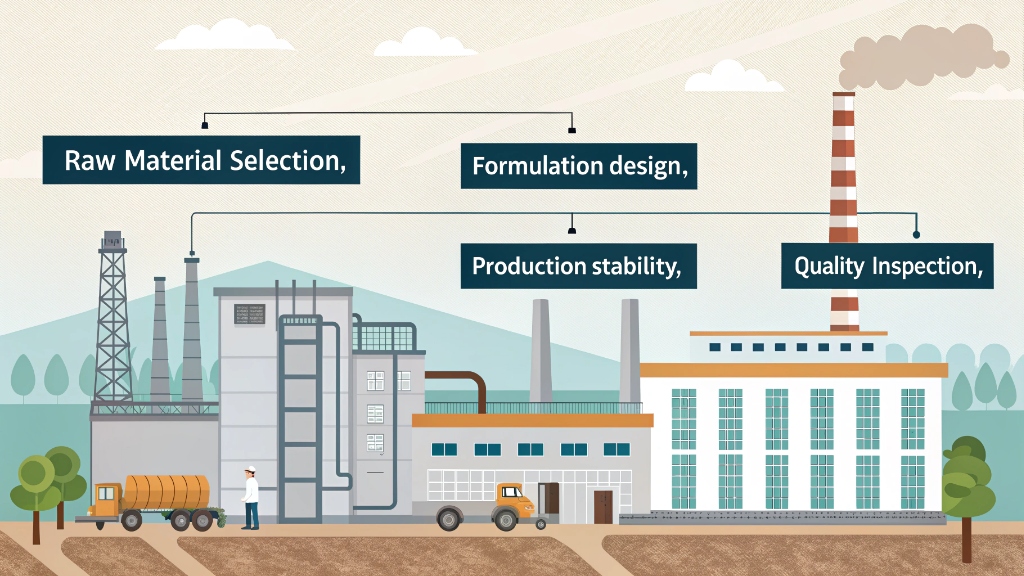
Most refractory pricing is shaped by several core factors working together:

  • Raw material selection and consistency

  • Formulation design and tolerance control

  • Production stability and batch control

  • Quality inspection depth and rejection standards

These elements are not always visible in technical data, but they directly influence cost.
When any of them are simplified, prices may look more attractive — at least on paper.

Why Some Costs Never Appear on the Quotation Sheet

Certain costs rarely show up as line items, yet they still exist:

  • Variability between production batches

  • Adjustments required during installation

  • Increased maintenance or repair frequency

  • Shorter effective service cycles

These are not always considered “material costs,” but they are still paid for — just later, and often indirectly.

refractory prices

Why Price Comparison Alone Is Risky

Comparing prices without understanding their structure often leads to decisions based on incomplete information.

Two refractory products may appear similar, but the way their price is formed reflects very different priorities:
cost control, quality margin, or long-term stability.

Price comparison works best when it is supported by deeper questions — not when it replaces them.

My Insight

A quotation should be a starting point, not a conclusion.

For purchasers and technical teams, understanding refractory pricing means understanding how cost, performance, and stability are connected — not just which number is lower.

For a deeper breakdown of how refractory pricing is structured beyond the quotation sheet, you may want to read:
Understanding Refractory Pricing Beyond the Quotation Sheet

Contact Us

Related Posts