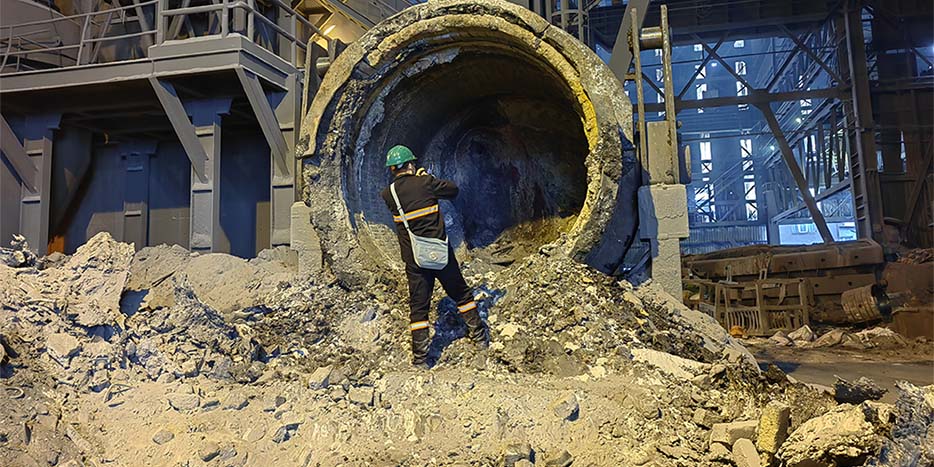
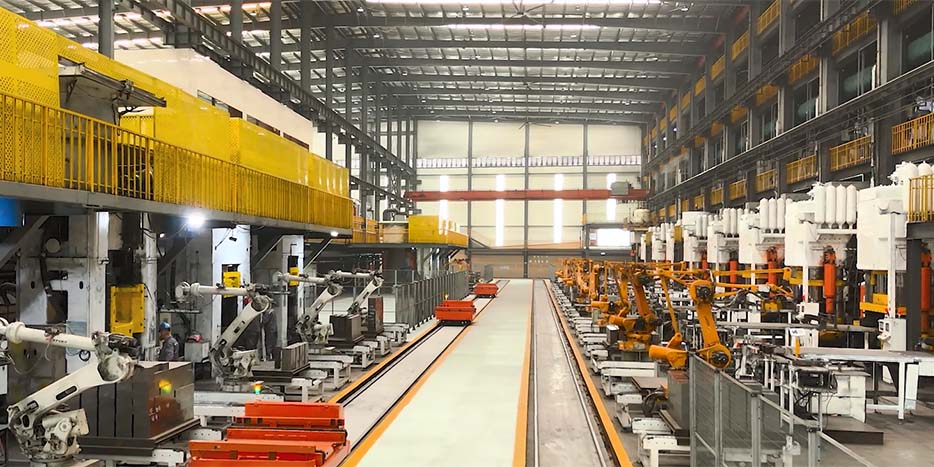
When refractory failure happens, most people want a clear answer.
Is it the material?
Was it installed wrong?
Did something go wrong during operation?
But after being around a few projects, I’ve found that it’s usually not that simple.
Most of the time, nothing was “obviously wrong” at the beginning.
Things just slowly stopped matching what the material was built for.
The Problem Usually Starts Earlier Than You Think
When something fails on site, it shows up in one place.
Maybe one area wears faster.
Maybe something breaks earlier than expected.
It’s natural to focus on that spot.
But in many cases, that’s just where the problem finally shows itself —
not where it really started.
Small Changes Don’t Feel Important — Until They Add Up
Day-to-day operation is never exactly the same.
Someone speeds things up a bit.
Temperature control is not as steady as before.
Maintenance gets pushed because production is tight.
None of these feels serious at the time.
And to be fair, each one on its own usually isn’t.
But when they keep happening, the material starts to feel it.
Not immediately.
But gradually.
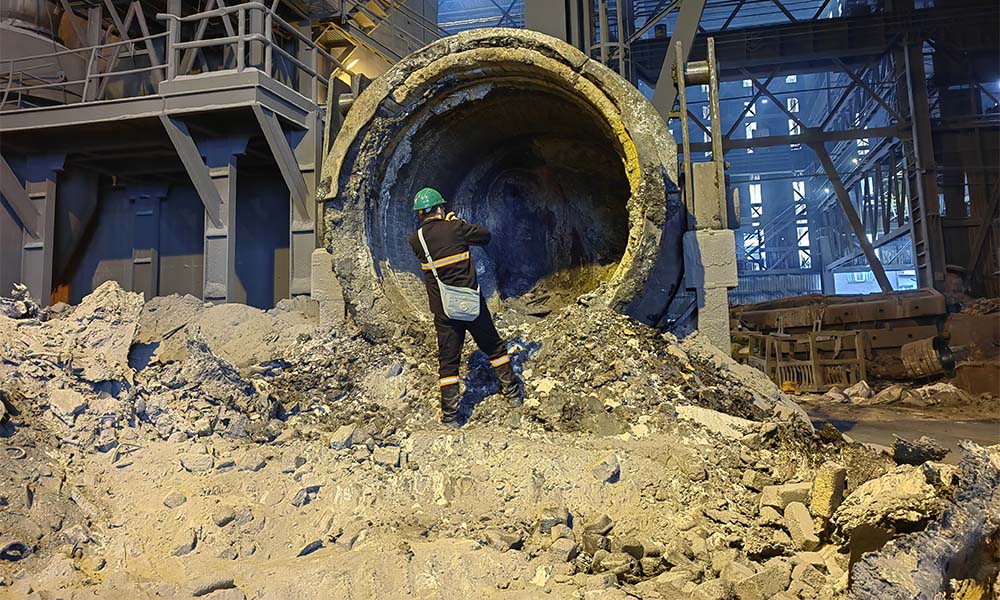
What Was “Normal” Slowly Changes
At the beginning of a project, everyone has an idea of what “normal” looks like.
But over time, things shift.
The way people operate changes.
Targets change.
Pressure on production increases.
The material is still being used the same way —
but the environment is no longer the same as before.
That gap is easy to miss.
Until performance starts to change.
Failure Rarely Happens All at Once
One thing I’ve noticed is this:
Refractory failure usually doesn’t come as a single event.
It builds up.
The material handles things for a while.
Then it starts to wear a bit faster.
Then one day, it just can’t keep up anymore.
From the outside, it looks sudden.
But in reality, it’s been developing for some time.
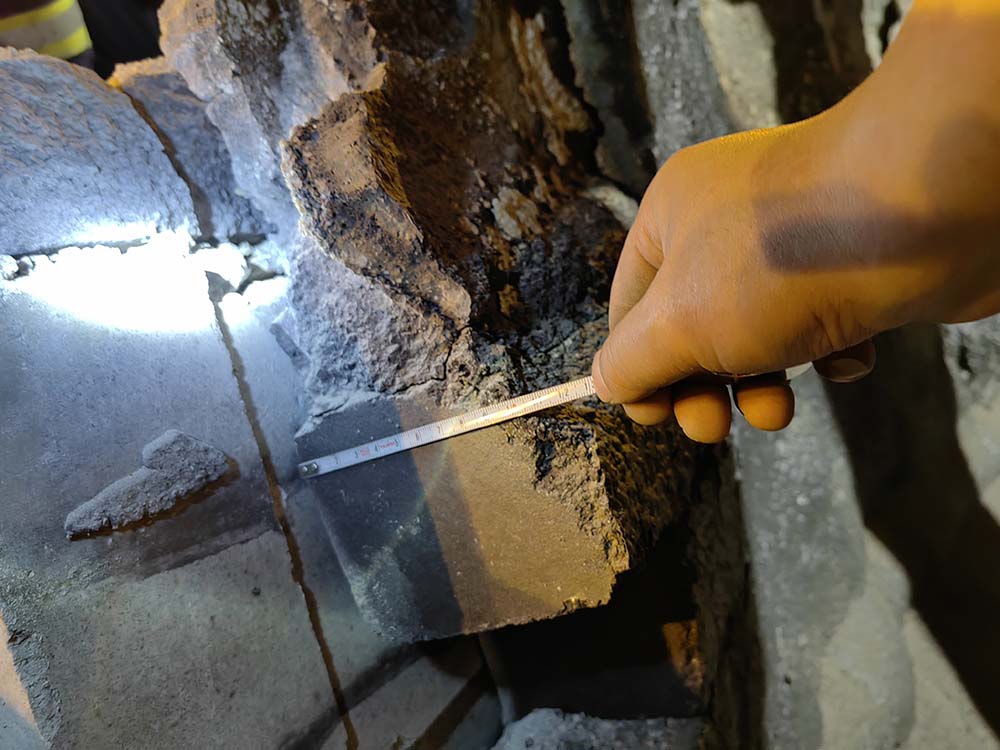
It’s Not Always About “Good” or “Bad” Material
It’s easy to say a material failed.
But in many cases, the material was not completely wrong.
It just wasn’t matching the real conditions anymore.
That’s an important difference.
Because if the real cause is not clear,
the same problem can happen again — even with a different product.
My View After Seeing This Happen More Than Once
Over time, I’ve stopped looking for a single reason when something goes wrong.
Instead, I try to look at what changed along the way.
- What became less consistent?
- What was adjusted without being fully noticed?
- What assumptions were no longer true?
Most refractory problems make more sense when you look at them like that.
In my experience, failure is rarely just one mistake.
It’s usually a series of small things that no one thought were a big deal —
until they were.
Contact Us
Related Posts