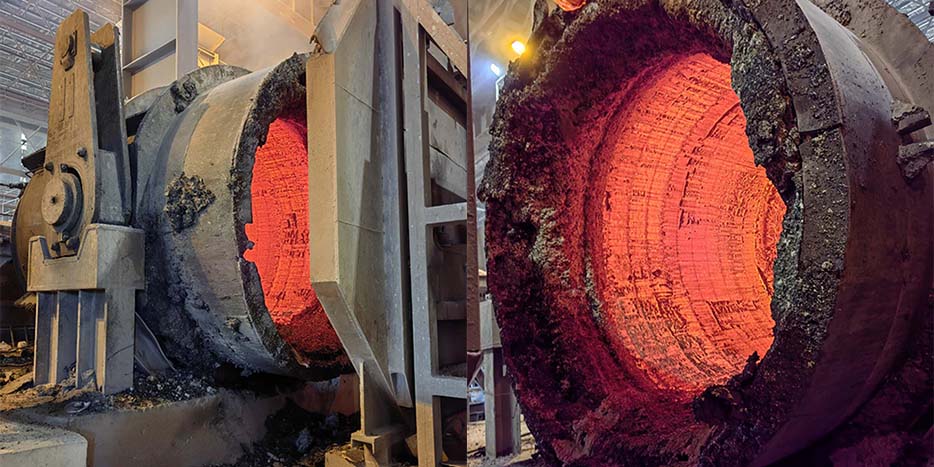
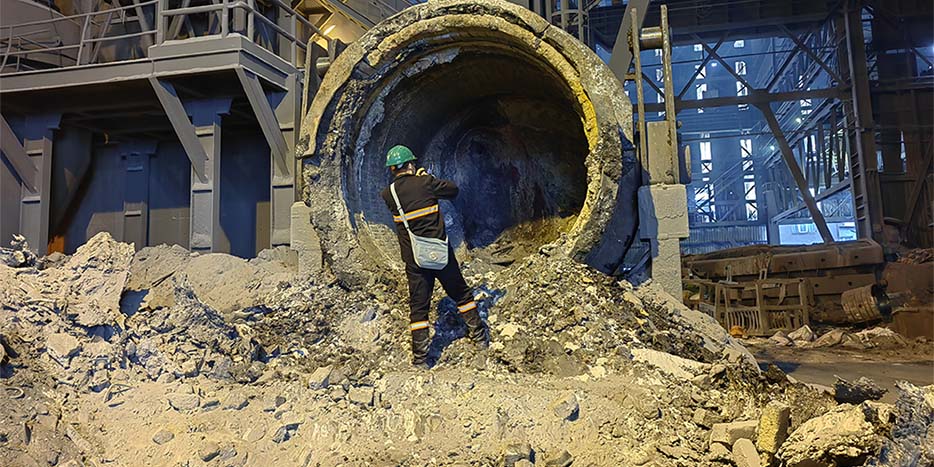
Uneven refractory wear is something most people have seen at some point.
One side wears faster.
One area looks different.
The pattern just doesn’t match what you expected.
At first, it’s easy to ignore.
The material is still working, and nothing has failed yet.
But in my experience, once wear becomes uneven, it’s usually a sign that something has already changed.
It Usually Starts Small
Uneven wear doesn’t show up all at once.
It begins with small differences:
- one zone running slightly hotter
- one section being used a bit more
- one area cooling down differently
At the beginning, these differences don’t look serious.
But refractory materials respond to repetition.
If the same imbalance keeps happening, the wear pattern starts to follow it.
Operation Is Rarely as Uniform as We Think
On paper, operation looks stable.
In reality, it rarely is.
There are always small shifts:
- production pace goes up or down
- timing between cycles changes
- handling during shutdowns is not always consistent
These changes are normal.
But they don’t affect every part of the lining in the same way.
That’s often how uneven refractory wear begins.
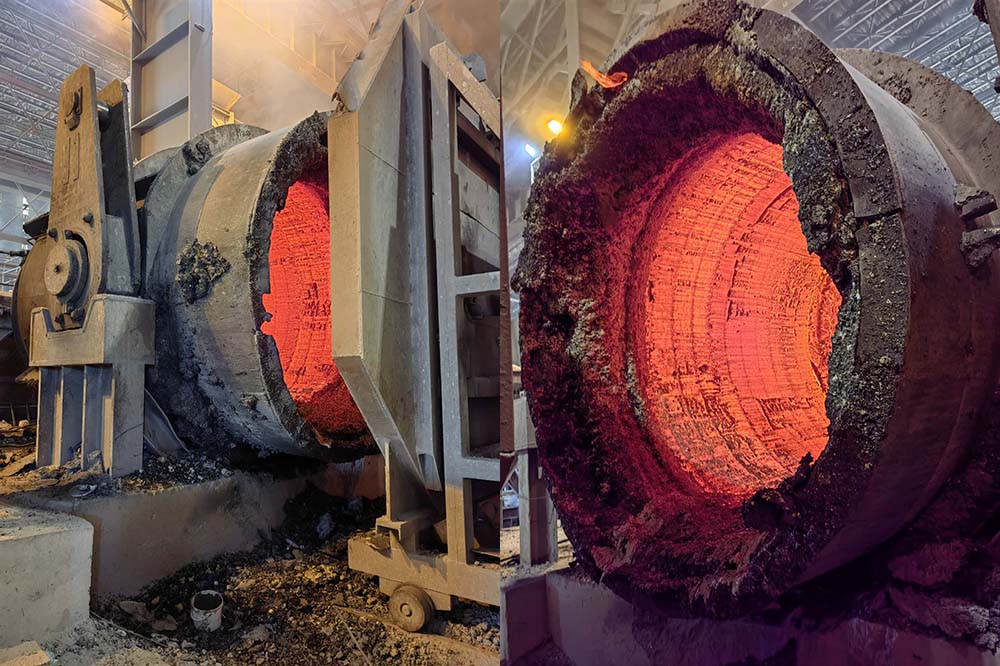
Some Areas Simply Take More Stress
Not every part of a refractory lining works under the same conditions.
Even within the same unit:
- some areas see higher temperature
- some face more direct contact
- some go through stronger thermal changes
If these differences become more pronounced over time,
wear will no longer be uniform — even if the material itself hasn’t changed.
It’s Easy to Miss in the Early Stage
One thing I’ve noticed is that uneven wear is often visible before it’s taken seriously.
Because:
- the material is still in service
- there’s no immediate failure
- production is not affected yet
So it gets treated as “something to watch” rather than “something to act on.”
But by the time it becomes obvious,
the gap between areas is already quite large.
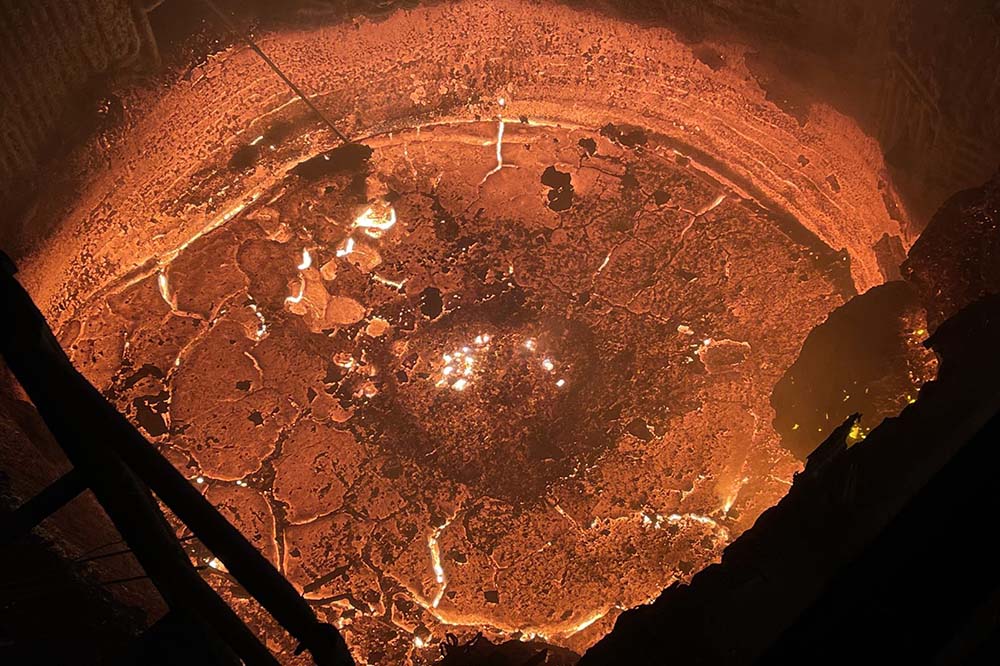
It’s Not Always a Material Problem
When wear becomes uneven, the first reaction is often to question the refractory material.
Sometimes that’s valid.
But in many cases, the material is simply reacting to different conditions across the lining.
If the environment is not balanced,
the wear won’t be either.
Changing the material without understanding that difference
usually doesn’t solve the problem.
My View After Seeing This More Than Once
I’ve learned to pay attention to uneven wear early, even when it doesn’t look critical.
Because in most cases, it’s not random.
It’s a signal.
Something in the operation is no longer as consistent as before.
Or certain areas are taking more load than expected.
If you catch it early, you still have room to adjust.
If you wait until it becomes obvious, options are more limited.
So instead of asking
“is it still working?”
I tend to ask
“is it wearing the way it used to?”
That question usually leads to a more useful answer.
Contact Us
Related Posts